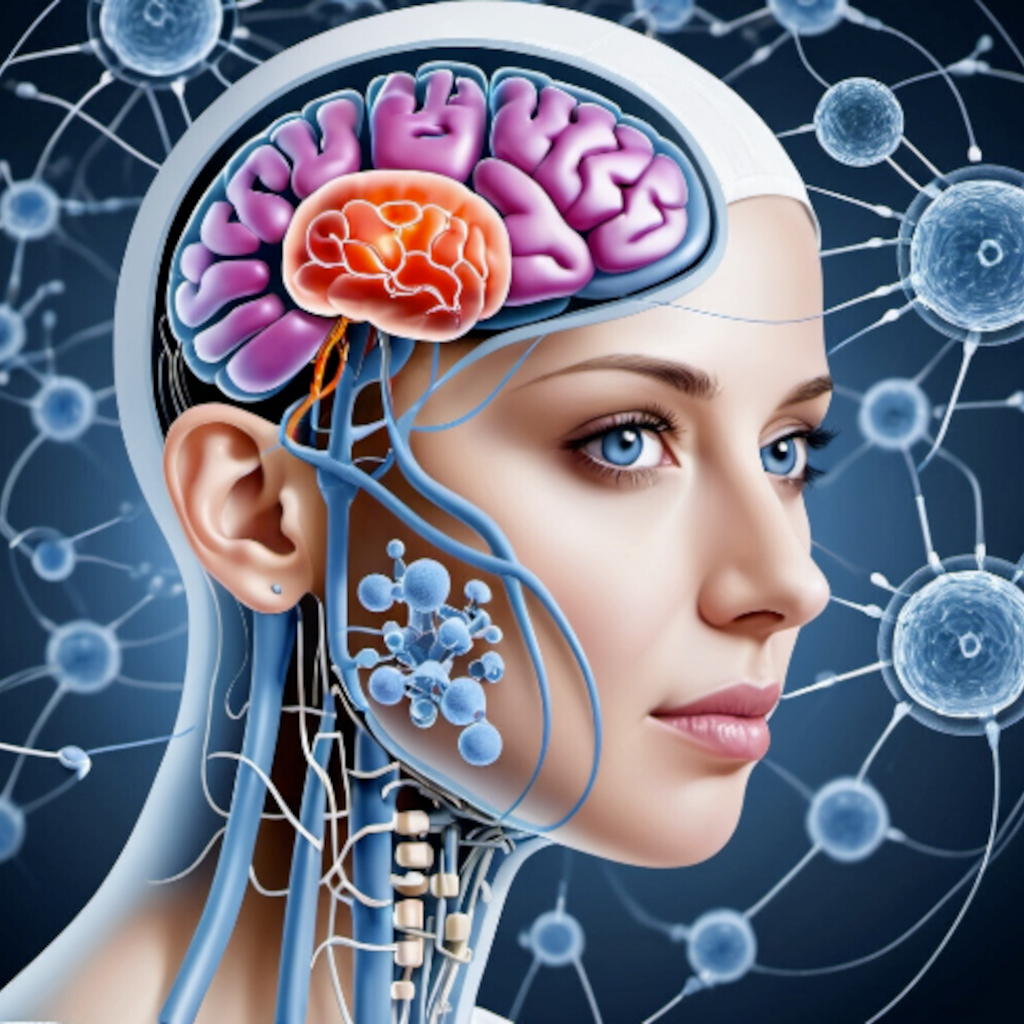

Author: stevet123

  • Overview: AI Integration in Life Science – Future Perspectives & Dilemmas

    Overview: AI Integration in Life Science – Future Perspectives & Dilemmas

    Overview: AI Integration in Life Science – Future Perspectives & Dilemmas

    AI Applications,AI Ethics

    October 8, 2024

    Introduction

    As life science professionals, it is essential to stay vigilant about the ethical dilemmas that arise in life sciences research, particularly as we move towards increased reliance on artificial intelligence (AI) technologies. These dilemmas present complex challenges that need to be addressed to ensure compliance, patient safety, and the integrity of scientific progress.

    Key Ethical Dilemmas

    Life sciences research is inherently tied to ethical considerations, particularly around the balance between scientific progress and the protection of human subjects. Clinical trials are vital for developing new drugs and treatments, but researchers must navigate delicate issues of informed consent, confidentiality, and potential harm to participants. Each of these areas poses significant ethical questions that professionals must continuously address.

    1. Informed Consent and Participant Protection

    One of the most pressing ethical dilemmas involves ensuring that participants in clinical trials are fully informed of the risks and benefits. Ensuring their voluntary participation, free from coercion, is a foundational principle that protects both the individuals involved and the integrity of the research. Compliance professionals must actively ensure that these standards are upheld in every trial, safeguarding both ethical and legal standards.

    2. Bias in Reporting Research Findings

    Another major ethical concern is the pressure researchers face to publish positive results to secure funding or advance their careers. This can lead to bias in reporting, where negative or inconclusive results are suppressed. Such practices can compromise patient safety by misrepresenting the effectiveness or risks of new treatments. Ensuring transparency in research findings is crucial for maintaining public and scientific trust in life sciences innovations.

    3. AI and Its Ethical Challenges

    The integration of AI into life sciences research introduces new ethical challenges. While AI can enhance efficiency in drug discovery, trial design, and personalized medicine, it also raises concerns about bias in algorithms, data privacy, and transparency. Professionals must carefully examine how AI systems are designed and deployed to ensure they do not perpetuate inequities or compromise patient safety.

    Ethical Implications

    AI in Life Sciences

    AI offers remarkable opportunities in life sciences research, such as optimizing clinical trial design, identifying suitable participants, and streamlining drug discovery. However, its integration into healthcare also brings significant ethical considerations that must be addressed.

    1. Bias in AI Algorithms

    AI systems rely on large datasets, and any biases present in these datasets can be reflected in the algorithms’ outcomes. Biased AI can lead to inequities in drug development or healthcare recommendations, affecting the fairness and safety of treatments. Life science professionals must take active steps to identify, mitigate, and prevent bias in AI-driven processes to ensure ethical outcomes.

    2. Patient Autonomy and AI in Decision-Making

    AI-driven systems are increasingly influencing healthcare decisions, from personalized medicine to treatment recommendations. However, reliance on AI can risk undermining patient autonomy if decisions are made without sufficient transparency or patient involvement. Researchers and healthcare professionals must ensure that AI augments decision-making rather than replacing the critical role of human judgment.

    3. Data Privacy and Security Concerns

    AI systems require vast amounts of data to function effectively, and in healthcare, this data often includes sensitive patient information. Protecting this data from breaches or misuse is an ongoing ethical challenge. Compliance experts must implement stringent data privacy policies to ensure that AI tools are used responsibly and that patient confidentiality is maintained.

    Compliance Experts on AI Ethics

    Recommendations to consider

    Compliance professionals play a pivotal role in ensuring the responsible and ethical use of AI in life sciences research. As AI technologies continue to evolve, it is crucial to stay informed about current guidelines, regulations, and ethical standards related to AI in the life sciences. Here are key recommendations for compliance experts:

    1. Stay Informed and Engaged

    Compliance professionals should familiarize themselves with the ethical principles underpinning AI use in life sciences research. This involves staying updated on regulatory changes, participating in industry conferences, and engaging in ongoing discussions about AI ethics in healthcare. By staying informed, compliance experts can help guide their organizations toward ethical AI practices.

    2. Collaborate Across Teams

    Working closely with other stakeholders—including biologists, quality assurance professionals, and regulatory experts—is essential to ensure AI technologies are used responsibly. By fostering a culture of transparency, accountability, and ethical decision-making, compliance professionals can mitigate the potential risks associated with AI integration.

    3. Establish Clear Ethical Guidelines

    Organizations should implement clear ethical guidelines for AI use in research and healthcare, ensuring that AI systems are designed, deployed, and monitored with a focus on fairness, transparency, and accountability. Compliance professionals must play an active role in creating and enforcing these standards.

    Future Trends in AI Ethics

    As AI continues to revolutionize life sciences research and healthcare, new ethical considerations will arise. Life science professionals must remain vigilant and proactive in addressing these challenges.

    1. Transparency and Accountability in AI

    AI systems are becoming more complex, and it is essential that professionals understand how decisions are made within these systems. Monitoring and evaluating AI processes to ensure they are free from bias and discrimination will become increasingly important. The demand for transparency in AI algorithms and accountability for AI-driven decisions will grow as these systems become more integral to healthcare.

    2. Data Privacy and Security

    As AI systems rely on massive datasets, ensuring that patient data is handled responsibly and securely will be a growing concern. Data breaches or misuse can have far-reaching consequences, making robust privacy protections critical for life science professionals.

    3. AI in Personalized Medicine and Clinical Trials

    The use of AI to tailor treatments in personalized medicine and clinical trials raises ethical questions about the balance between innovation and patient safety. Life science professionals must navigate these concerns, ensuring that AI-driven recommendations are both effective and ethical, while respecting patient autonomy and privacy.

    Conclusion

    Shaping the Ethical Future of AI in Life Science

    AI is transforming life sciences research, offering exciting opportunities for innovation. However, it is crucial that professionals in these fields proactively address the ethical dilemmas associated with AI technologies. By staying informed about AI ethics, collaborating with stakeholders, and establishing clear guidelines, life science professionals can ensure that AI is used responsibly and ethically.

    Through vigilance, transparency, and accountability, we can ensure that AI-driven advancements in healthcare contribute to the well-being of patients while upholding the highest ethical standards.


    Overview: AI Integration in Life Science – Future Perspectives & Dilemmas


    Overview: AI Integration in Life Science – Future Perspectives & Dilemmas


    Learn more


    Ethical Considerations in Biotechnology: Upholding Integrity in Innovation


    Ethical Considerations in Biotechnology: Upholding Integrity in Innovation


    Learn more


    Data Collection and Analysis in Life Science Research from an AI perspective


    Data Collection and Analysis in Life Science Research from an AI perspective


    Learn more

  • Ethical Considerations in Biotechnology: Upholding Integrity in Innovation

    Ethical Considerations in Biotechnology: Upholding Integrity in Innovation

    Ethical Considerations in Biotechnology: Upholding Integrity in Innovation

    AI Applications

    October 8, 2024

    Ethical Biotechnology

    Upholding Integrity in Innovation

    AI Perspectives

    Biotechnological research plays a pivotal role in advancing scientific knowledge and developing treatments for various diseases. As the field continues to expand, driven by innovations in artificial intelligence (AI) and data analytics, it is crucial for researchers to adhere to strict ethical guidelines. By prioritizing ethics, biotechnological advancements can be achieved responsibly, ensuring respect for human subjects, the environment, and society at large.

    This blog will explore the key ethical considerations in biotechnology, focusing on principles such as autonomy, beneficence, justice, and integrity. We will also examine the role of AI in biotechnology and the ethical dilemmas it presents, emphasizing the need for transparency, accountability, and privacy in research.

    1. Respect for Autonomy in Biotechnological Research

    One of the foundational principles in biotechnology is respect for autonomy, which ensures that all participants involved in research have the right to make informed decisions about their participation. This principle is embodied in the practice of obtaining informed consent. Researchers must clearly explain the purpose of the study, the potential risks and benefits, and the participants’ rights, including the ability to withdraw from the study at any time without negative consequences.

    Informed consent not only protects individual autonomy but also builds trust between researchers and participants. By ensuring that participants are fully aware of how their data will be used and the potential implications of their involvement, researchers uphold ethical standards that respect individual rights.

    2. Beneficence: Maximizing Benefits While Minimizing Harm

    The principle of beneficence requires researchers to prioritize the well-being of participants by maximizing the potential benefits of their research while minimizing any risks or harm. This ethical obligation ensures that the positive outcomes of biotechnological research—such as the development of new treatments or innovative healthcare solutions—outweigh any potential risks involved in the research process.

    To uphold this principle, researchers must carefully weigh the risks and benefits before conducting studies and implement safety measures that protect participants from unnecessary harm. The potential impact on society and the environment must also be considered, ensuring that biotechnological advancements contribute positively to global health without causing harm.

    3. Justice: Fair Distribution of Benefits and Burdens

    The ethical principle of justice calls for fairness in the distribution of the benefits and burdens of research. In biotechnological research, this means ensuring that all individuals, regardless of their background, have equal access to the potential benefits of the research. Researchers must avoid exploitation and ensure that vulnerable populations are not disproportionately burdened by the risks of research without receiving a fair share of its benefits.

    By upholding justice, researchers promote equitable access to healthcare advancements and help close gaps in healthcare disparities, ensuring that biotechnological innovations serve the needs of all, not just a select few.

    4. Integrity: Upholding Honesty and Transparency

    The principle of integrity is crucial in maintaining the trustworthiness of biotechnological research. Researchers must be honest and transparent in every aspect of their work, from study design and data collection to the reporting of results. Integrity ensures that research findings are credible and that the scientific process remains free from misconduct, such as data falsification or plagiarism.

    Transparency in research also means that potential conflicts of interest are disclosed, and the methods used in studies are clear and replicable. Compliance experts and regulatory bodies play an essential role in monitoring and enforcing these standards, ensuring that research is conducted ethically and that scientific discoveries can be trusted by the public.

    5. The Role of AI in Biotechnology: Ethical Challenges and Opportunities

    AI has revolutionized biotechnology, offering new opportunities for innovation in drug discovery, personalized medicine, and healthcare decision-making. However, with these advancements come new ethical dilemmas that must be addressed.

    One of the key ethical concerns surrounding AI in biotechnology is the risk of bias in data analysis and decision-making. AI systems are trained on large datasets, and if these datasets contain biases, the AI may perpetuate or even exacerbate these biases, leading to inaccurate diagnoses, ineffective treatments, or unequal access to healthcare services. Researchers and developers must actively work to identify and eliminate bias in AI algorithms to ensure fairness and accuracy in AI-driven research.

    Another challenge is the issue of transparency and accountability in AI systems. As AI becomes more complex, it can be difficult to understand how decisions are made and who is responsible for the outcomes. This lack of transparency raises ethical concerns, particularly in areas such as personalized medicine, clinical trials, and healthcare decision-making. Researchers must ensure that AI-driven decisions are explainable and that clear lines of accountability are established.

    6. Data Privacy and Security in AI-Driven Biotechnology

    As AI systems collect and analyze vast amounts of personal health information, concerns about data privacy and security become paramount. The misuse or compromise of patient data can lead to breaches of confidentiality, loss of trust, and potential harm to individuals. Life science professionals must take stringent measures to protect patient data, adhering to ethical guidelines and regulatory requirements such as GDPR and HIPAA.

    By implementing robust data protection measures, such as anonymization and encryption, researchers can safeguard sensitive information while still harnessing the power of AI for scientific advancements.

    7. Safeguarding Ethical Practices in Biotechnological Innovation

    To ensure the responsible development and application of AI in biotechnology, it is essential to integrate ethical principles into every stage of the innovation process. This requires collaboration among life science professionals, including biologists, quality assurance experts, compliance officers, and engineers. Ethical guidelines must be consistently applied, and researchers should be held accountable for upholding these standards.

    By promoting transparency, accountability, fairness, and respect for privacy and autonomy, the life science community can harness the potential of AI and biotechnology while minimizing risks and protecting the rights of individuals and communities.

    Conclusion

    Prioritizing Ethics in Biotechnological Research

    Ethical considerations are at the heart of responsible biotechnological research. By adhering to principles such as autonomy, beneficence, justice, and integrity, researchers can ensure that their work benefits society while safeguarding the rights and well-being of individuals. As AI continues to play an increasing role in biotechnology, it is crucial to address the ethical challenges it presents, from bias and transparency to data privacy.

    Ultimately, by prioritizing ethical practices in biotechnological research and innovation, we can advance scientific discoveries that not only improve healthcare outcomes but also uphold the highest standards of integrity and responsibility.


    Overview: AI Integration in Life Science – Future Perspectives & Dilemmas


    Overview: AI Integration in Life Science – Future Perspectives & Dilemmas


    Learn more


    Ethical Considerations in Biotechnology: Upholding Integrity in Innovation


    Ethical Considerations in Biotechnology: Upholding Integrity in Innovation


    Learn more


    Data Collection and Analysis in Life Science Research from an AI perspective


    Data Collection and Analysis in Life Science Research from an AI perspective


    Learn more

  • Data Collection and Analysis in Life Science Research from an AI perspective

    Data Collection and Analysis in Life Science Research from an AI perspective

    Data Collection and Analysis in Life Science Research from an AI perspective

    AI Ethics

    October 8, 2024

    Data Collection & Analysis

    Life Science Research & AI

    In the rapidly advancing field of life science research, data collection and analysis are the driving forces behind innovation and progress in healthcare. From drug discovery to clinical trials, data plays an essential role in making informed decisions that ultimately improve patient outcomes. However, the collection and use of sensitive medical data come with significant ethical responsibilities. Life science professionals—including biologists, quality assurance experts, compliance officers, and regulatory specialists—must prioritize ethical considerations when conducting research to protect patient privacy, ensure accuracy, and maintain public trust.

    1. Protecting Patient Privacy and Confidentiality

    One of the primary ethical concerns in data collection is ensuring patient privacy and confidentiality. As life science researchers gather and analyze sensitive medical information, it is crucial that this data remains secure and anonymized. Breaches of patient data can result in a loss of trust, legal ramifications, and harm to study participants.

    Compliance experts must strictly adhere to data protection regulations, such as HIPAA in the U.S. or GDPR in Europe, to safeguard personal information. This involves using secure data storage methods, encrypting patient information, and ensuring only authorized personnel have access to the data. Maintaining confidentiality is not just a regulatory requirement—it is a cornerstone of ethical research that protects patient dignity and builds trust between researchers and participants.

    2. Obtaining Informed Consent

    Informed consent is a critical ethical principle in life science research. Before any data is collected, study participants must be fully informed about the purpose of the research, the potential risks and benefits, and how their data will be used. This transparency allows individuals to make an informed decision about whether to participate.

    Informed consent ensures that participants voluntarily provide their data with a full understanding of the implications. For compliance professionals, ensuring that clear communication takes place between researchers and participants is key. This process not only protects the rights of the individual but also strengthens the ethical integrity of the study.

    3. Addressing Bias in Data Collection and Analysis

    Bias in data collection and analysis is a significant ethical challenge that can lead to inaccurate results and harmful healthcare decisions. Whether intentional or unintentional, bias can skew research outcomes, affecting everything from drug efficacy to patient safety. Bias can manifest in various ways, such as through biased sampling, data collection methods, or analysis techniques.

    Researchers must remain vigilant in identifying and mitigating biases. By designing rigorous, unbiased studies and utilizing robust data analysis techniques, life science professionals can ensure that the research is both scientifically sound and ethically valid. Compliance experts and auditors play a critical role in monitoring these processes and ensuring that bias is minimized throughout the research lifecycle.

    4. Transparency and Accountability in Research

    Transparency and accountability are foundational principles in ethical life science research. Researchers must be open about their methods, the sources of their data, and any potential conflicts of interest. This transparency fosters trust in the research community and ensures that findings are credible and reliable.

    Accountability goes hand in hand with transparency. Compliance professionals must actively monitor research practices to ensure that ethical standards are followed at every step. Auditing data collection methods, verifying informed consent procedures, and ensuring the integrity of data analysis are all critical functions that contribute to maintaining public trust in life science research.

    5. The Role of Compliance Experts in Ethical Research

    Compliance experts are essential guardians of ethical research practices. Their role is to ensure that data is collected and analyzed in accordance with both regulatory requirements and ethical guidelines. By auditing research processes, monitoring data security, and verifying informed consent, compliance officers help maintain the integrity of life science research.

    Furthermore, compliance professionals work to identify and address any potential ethical dilemmas that may arise during data collection and analysis. Whether it’s mitigating bias, ensuring transparency, or protecting patient confidentiality, their oversight is crucial to the success of ethically sound research.

    Conclusion

    Ethical Data Collection for Healthcare Advancement

    Ethical considerations in data collection and analysis are paramount in the field of life science research. By prioritizing patient privacy, obtaining informed consent, addressing biases, and promoting transparency and accountability, life science professionals can conduct research that is both scientifically rigorous and ethically sound.

    Compliance experts play a vital role in ensuring that ethical guidelines are followed, ultimately contributing to the advancement of healthcare and the well-being of patients worldwide. In an industry that relies heavily on data to drive innovation, upholding these ethical principles is essential for maintaining public trust and ensuring that research benefits society as a whole.

    Life science research has the potential to transform healthcare, but only when conducted responsibly, with ethics at its core.


    Overview: AI Integration in Life Science – Future Perspectives & Dilemmas


    Overview: AI Integration in Life Science – Future Perspectives & Dilemmas


    Learn more


    Ethical Considerations in Biotechnology: Upholding Integrity in Innovation


    Ethical Considerations in Biotechnology: Upholding Integrity in Innovation


    Learn more


    Data Collection and Analysis in Life Science Research from an AI perspective


    Data Collection and Analysis in Life Science Research from an AI perspective


    Learn more

  • AI Applications in the Life Sciences Industry

    AI Applications in the Life Sciences Industry

    AI Applications in the Life Sciences Industry

    AI Applications

    October 8, 2024

    AI Applications in Life Sciences

    Overview

    Artificial intelligence (AI) has revolutionized the life sciences industry in recent years, providing innovative solutions to some of the most complex challenges. From pharmaceutical research to personalized medicine and clinical trials, AI is reshaping how healthcare professionals approach problems, enhancing efficiency and improving patient outcomes. However, as AI continues to play a greater role in the life sciences, ethical considerations must also be addressed to ensure responsible usage. This blog provides an overview of AI applications across key areas of life sciences and highlights the ethical dilemmas that arise in the process.

    Pharmaceutical Research

    One of the most impactful applications of AI in life sciences is in pharmaceutical research. AI algorithms and machine learning techniques are helping researchers analyze large datasets more quickly and accurately than ever before. This has significantly accelerated the drug discovery process, allowing researchers to identify potential treatments and develop new drugs at a faster pace. AI can also optimize clinical trial designs and improve the accuracy of data analysis, ultimately benefiting patients by bringing new treatments to market more quickly.

    However, with this rapid advancement comes the need for strict ethical oversight. AI-powered research must ensure the safety of study participants and maintain the integrity of the research process. Compliance with ethical guidelines, such as protecting participant data and minimizing bias in research outcomes, is essential to ensure that AI enhances research without compromising ethics.

    Personalized Medicine

    Personalized medicine, which tailors treatment to individual patients based on their unique genetic makeup and lifestyle, is another area where AI has made significant strides. AI algorithms can analyze large sets of patient data and predict outcomes, helping healthcare providers make more informed decisions about treatment options. This capability allows for more effective treatment plans that are customized to each patient’s needs, improving patient care and outcomes.

    However, personalized medicine also introduces ethical dilemmas. AI-driven decisions require access to sensitive patient information, raising concerns about data privacy and consent. Informed consent must be a priority to ensure patients understand how their data will be used, and healthcare providers must uphold transparency in decision-making processes. Compliance experts and healthcare professionals play a critical role in ensuring that the use of AI in personalized medicine adheres to both ethical and legal standards, protecting patient rights throughout the process.

    Clinical Trials

    AI is also transforming the way clinical trials are conducted. Traditionally, the recruitment of participants and the design of clinical trials have been time-consuming and resource-intensive processes. AI can streamline these tasks by using algorithms to identify eligible participants, optimize trial designs, and analyze trial data. This reduces costs and accelerates the timeline for bringing new treatments to market.

    Despite these benefits, AI’s role in clinical trials must be carefully monitored. Ethical considerations, such as ensuring informed consent and protecting participant rights, remain critical. Compliance experts must ensure that participants are fully aware of the risks and benefits of their involvement in trials, and that AI-driven decisions are transparent and accountable. In addition, bias in AI algorithms poses a serious challenge, as biased outcomes can disproportionately affect certain populations, leading to ethical concerns about fairness and equity in clinical trials.

    "As an auditor and champion of ethical research practices, I firmly believe that informed consent is the foundation of all clinical trials and research. Participants must be fully aware of risks and benefits, and their voluntary consent is essential. This principle not only safeguards individuals but also upholds the integrity of the scientific process, while advancing technological progress and the achievement of beneficence." 
    - Steve Thompson

    Biotechnology

    Health-Care Decision Making

    Beyond pharmaceutical research and clinical trials, AI is also enhancing healthcare decision-making and biotechnology. AI algorithms can improve diagnostic accuracy, predict patient outcomes, and optimize treatment plans, leading to better overall healthcare outcomes. In biotechnology, AI is driving innovation by improving research processes, accelerating discoveries, and enhancing the development of new therapies.

    However, as AI plays a greater role in healthcare decision-making, professionals must remain vigilant about ethical dilemmas. Bias in algorithms, patient autonomy, and the potential impact of AI on healthcare professionals are all issues that must be considered. Healthcare providers must ensure that AI-driven decisions are made transparently and fairly, and that patients are informed and empowered in their care.

    Addressing Ethical Challenges

    As AI technology becomes more integrated into the life sciences industry, ethical challenges must be proactively addressed. Bias in AI algorithms is not just a technical flaw but an ethical issue with real-life consequences. Fairness and equity must be prioritized to prevent AI from perpetuating disparities in healthcare.

    Professionals across the life sciences industry—biologists, quality assurance experts, compliance officers, regulatory specialists, and more—must stay informed about AI ethics and compliance issues. Developing guidelines and best practices for the ethical use of AI will help ensure that AI technologies are used responsibly while upholding the highest standards of integrity and patient care.

    Conclusion

    AI is transforming the life sciences industry, offering unprecedented solutions to long-standing challenges in pharmaceutical research, personalized medicine, clinical trials, and healthcare decision-making. However, the integration of AI into these fields comes with significant ethical responsibilities. By proactively addressing these ethical challenges and ensuring compliance with ethical standards, life science professionals can harness the full potential of AI while maintaining the trust and well-being of patients.

    As AI continues to evolve, collaboration among researchers, healthcare providers, compliance experts, and regulators will be essential to ensuring that AI technologies benefit society as a whole, improving healthcare outcomes and advancing scientific discovery in an ethical and responsible manner.


    Overview: AI Integration in Life Science – Future Perspectives & Dilemmas


    Overview: AI Integration in Life Science – Future Perspectives & Dilemmas


    Learn more


    Ethical Considerations in Biotechnology: Upholding Integrity in Innovation


    Ethical Considerations in Biotechnology: Upholding Integrity in Innovation


    Learn more


    Data Collection and Analysis in Life Science Research from an AI perspective


    Data Collection and Analysis in Life Science Research from an AI perspective


    Learn more

  • AI Perspectives in Personalized Medicine

    AI Perspectives in Personalized Medicine

    AI Perspectives in Personalized Medicine

    AI Ethics

    October 8, 2024

    Revolutionizing Healthcare

    The field of personalized medicine has seen remarkable advancements, especially with the integration of artificial intelligence (AI) technologies. AI is transforming how healthcare professionals approach diagnosis, treatment, and disease prevention, offering more targeted and individualized care. However, while AI-driven personalized medicine holds immense potential for improving patient outcomes, it also introduces several ethical challenges that life science professionals must address. In this blog, we’ll explore the impact of AI on personalized medicine and the key ethical considerations that come with it.

    How AI is Advancing Personalized Medicine

    One of the most significant ways AI is revolutionizing personalized medicine is through its ability to analyze large datasets. Machine learning algorithms allow healthcare providers to identify patterns and trends within patient data—such as genetic makeup, lifestyle factors, and medical history—that inform treatment decisions. This approach enables more accurate predictions about which treatments will be most effective for individual patients, leading to better health outcomes and reduced adverse reactions to medications.

    AI is also advancing the field of precision medicine, which targets specific genetic mutations or biomarkers that are unique to an individual’s disease. By leveraging AI, researchers can identify these biomarkers and predict which patients are most likely to benefit from specific therapies. This not only increases the effectiveness of treatments but also reduces healthcare costs by eliminating ineffective approaches.

    Ethical Considerations

    AI-Driven Personalized Medicine

    As with any technological advancement, the use of AI in personalized medicine brings several ethical dilemmas to the forefront. For AI to be responsibly integrated into healthcare, professionals must prioritize ethical standards in areas such as data privacy, consent, and bias in algorithms.

    1. Data Privacy and Security

    AI relies on vast amounts of personal data to function effectively, which raises concerns about patient privacy and the security of sensitive information. Protecting patient data is a critical ethical consideration, as breaches of confidentiality could erode trust in AI-driven healthcare solutions. Life science professionals, including biologists and compliance officers, must ensure that robust data protection measures are in place to prevent unauthorized access and misuse of patient information.

    2. Informed Consent

    The concept of informed consent is central to ethical healthcare practices, and it becomes even more complex with AI-driven personalized medicine. Patients need to fully understand how their data will be used, who will have access to it, and what risks may be involved. Clear communication between healthcare providers, researchers, and patients is essential to ensure that individuals are aware of the implications of participating in AI-driven treatment plans.

    Compliance experts play a crucial role in establishing and maintaining protocols for obtaining patient consent, ensuring that it is documented and that patients’ rights are respected throughout the process.

    3. Bias in AI Algorithms

    AI algorithms are trained on existing datasets, which means they are susceptible to inheriting biases present in the data. This can lead to disparities in healthcare outcomes if certain populations are underrepresented or if the data reinforces existing prejudices. To address this, healthcare professionals and AI developers must work together to identify and mitigate biases, ensuring that AI systems produce fair and equitable treatment recommendations for all patients.

    4. Transparency and Accountability

    AI algorithms often operate in complex and opaque ways, making it difficult for healthcare professionals to fully understand how they arrive at their recommendations. This lack of transparency can lead to mistrust, especially if patients or providers feel that AI-driven decisions are not explainable or justified. It’s essential for researchers and healthcare professionals to develop transparent AI systems and establish clear lines of accountability for the outcomes of AI-driven treatments.


    Personalized Medicine

    Addressing Equity and Access

    While AI-driven personalized medicine has the potential to revolutionize healthcare, it also risks exacerbating existing inequalities in access to cutting-edge treatments. Advanced technologies like genetic testing may not be equally available to all populations, leading to concerns about fairness and social justice. Healthcare professionals must work to ensure that these technologies are accessible to all patients, regardless of socioeconomic status, and that the benefits of personalized medicine are distributed equitably.


    Conclusion

    Navigating Ethical Complexities in Personalized Medicine

    AI is reshaping the future of healthcare by enabling more personalized and effective treatments for patients. However, it also presents significant ethical challenges that must be addressed to ensure that these advancements are made responsibly and equitably. By focusing on issues such as data privacy, informed consent, algorithmic bias, and access to care, healthcare professionals can navigate the complexities of AI-driven personalized medicine while upholding the highest ethical standards.
    As AI continues to evolve, ongoing discussions and collaboration between life science professionals, AI ethicists, and regulatory bodies are crucial to developing guidelines that prioritize patient welfare, respect individual autonomy, and maintain transparency in AI-driven healthcare solutions. By doing so, we can ensure that AI-driven personalized medicine benefits all patients and paves the way for a more ethical and equitable healthcare future.


    Overview: AI Integration in Life Science – Future Perspectives & Dilemmas


    Overview: AI Integration in Life Science – Future Perspectives & Dilemmas


    Learn more


    Ethical Considerations in Biotechnology: Upholding Integrity in Innovation


    Ethical Considerations in Biotechnology: Upholding Integrity in Innovation


    Learn more


    Data Collection and Analysis in Life Science Research from an AI perspective


    Data Collection and Analysis in Life Science Research from an AI perspective


    Learn more

  • AI Ethics in Life Science

    AI Ethics in Life Science

    AI Ethics in Life Science

    AI Ethics

    October 8, 2024

    AI Ethics in Life Science

    Introduction

    In today’s rapidly evolving world, artificial intelligence (AI) is making significant inroads into various industries, including life sciences, pharmaceutical research, biotechnology, and medical devices. As these sectors continue to adopt AI technologies, it’s crucial for professionals in the life sciences to fully understand the ethical implications that come with this powerful technology. AI can enhance the efficiency and accuracy of research, but it also raises several ethical concerns that must be addressed to ensure responsible and fair usage.

    The Role of AI Ethics in Life Sciences

    AI ethics in life sciences covers a broad range of issues, including data privacy, algorithmic bias, transparency, and accountability. When AI systems are trained on vast amounts of data, there’s always the risk of perpetuating existing biases found within the data. For professionals in the life sciences industry, being aware of these biases and taking proactive steps to mitigate them is essential to ensure AI systems remain fair and unbiased.

    One of the most fundamental ethical concerns is data privacy. In an era where massive amounts of data are collected, professionals must remain committed to protecting individual privacy. Robust data privacy measures aren’t just about following regulations — they are about maintaining trust and respecting human dignity. Ensuring privacy while harnessing the power of AI is a delicate balance that must be maintained at all times.


    Data privacy is a fundamental right. In this era of vast data collection, our commitment to protecting individual privacy must be unwavering. Robust privacy measures aren't just about compliance; they're about maintaining trust and upholding human dignity.

    Ethical Considerations in Research

    In the realm of pharmaceutical research, AI ethics play a critical role in ensuring the integrity and reliability of research outcomes. AI can analyze complex datasets, speed up drug development, and enhance clinical trials. However, without a clear focus on ethical considerations, the use of AI in pharmaceutical research can introduce risks such as biased results, data misuse, or breaches in patient privacy.

    Transparency and accountability should guide the use of AI in pharmaceutical research. For research findings to be trusted and ethically sound, every decision made by AI systems must be clear and justifiable. Researchers, developers, and compliance experts must work together to ensure that AI-driven insights are transparent and that accountability is never compromised.

    Transparency and accountability are key principles that should guide the use of AI in life science research to ensure that research findings are trustworthy and ethically sound.

    AI and Personalized Medicine

     Ethical Challenges

    AI’s integration into personalized medicine is another area ripe with potential, but it also brings its own set of ethical challenges. Personalized medicine uses AI algorithms to analyze individual patient data, crafting treatment plans tailored to the unique needs of each patient. While this approach can lead to more effective treatments, it also raises concerns around data privacy, consent, and patient autonomy.

    It’s essential for healthcare professionals to uphold the highest ethical standards when using AI in personalized medicine. Protecting patient privacy, obtaining informed consent, and maintaining trust between patients and healthcare providers are all paramount. AI must never replace the human element of care but rather enhance it, ensuring that patients are fully informed and that their rights are protected.

    Ethical considerations should be at the forefront of decision-making when using AI in the life science industry to uphold the highest standards of integrity, transparency, and accountability.

    Clinical Trials and AI

    Navigating Ethical Boundaries

    AI is transforming the way clinical trials are conducted, from recruiting participants to analyzing trial data. However, ethical considerations in clinical trials remain as important as ever. Ensuring the safety and well-being of participants, obtaining informed consent, and maintaining transparency are all vital components of an ethical clinical trial.

    AI can streamline clinical trial processes, but compliance experts must ensure that ethical standards are not compromised in the pursuit of efficiency. The goal is to enhance research outcomes while maintaining patient safety and upholding the rights of study participants.

    Healthcare Decision-Making & Biotechnology

    In healthcare decision-making and biotechnology, ethical considerations are central to discussions surrounding AI ethics. As AI technologies become more integrated into healthcare, professionals must consider the ethical implications of using AI in decision-making processes. Issues such as algorithmic transparency, fairness in decision-making, and ensuring accountability are crucial in this context.

    AI has the potential to greatly improve healthcare outcomes, but it must be used responsibly. By prioritizing ethical considerations in the deployment of AI, professionals can ensure that healthcare remains patient-centered and that AI technologies are used to benefit society as a whole.

    Conclusion

    Shaping an Ethical Future for AI in Life Sciences

    Understanding AI ethics is essential for life science professionals working in pharmaceutical research, personalized medicine, clinical trials, and biotechnology. By addressing the ethical implications of AI in their work, professionals can ensure that AI systems are used responsibly and ethically, benefiting both science and society.

    Ethical considerations, such as transparency, fairness, and accountability, should always be at the forefront of decision-making when using AI in life sciences. By upholding these principles, the life sciences industry can help shape a future where AI and life science coexist harmoniously, ultimately benefiting society as a

    By prioritizing ethical considerations in our work, we can help shape a future where AI and life science coexist harmoniously, benefing society as a whole.


    Overview: AI Integration in Life Science – Future Perspectives & Dilemmas


    Overview: AI Integration in Life Science – Future Perspectives & Dilemmas


    Learn more


    Ethical Considerations in Biotechnology: Upholding Integrity in Innovation


    Ethical Considerations in Biotechnology: Upholding Integrity in Innovation


    Learn more


    Data Collection and Analysis in Life Science Research from an AI perspective


    Data Collection and Analysis in Life Science Research from an AI perspective


    Learn more