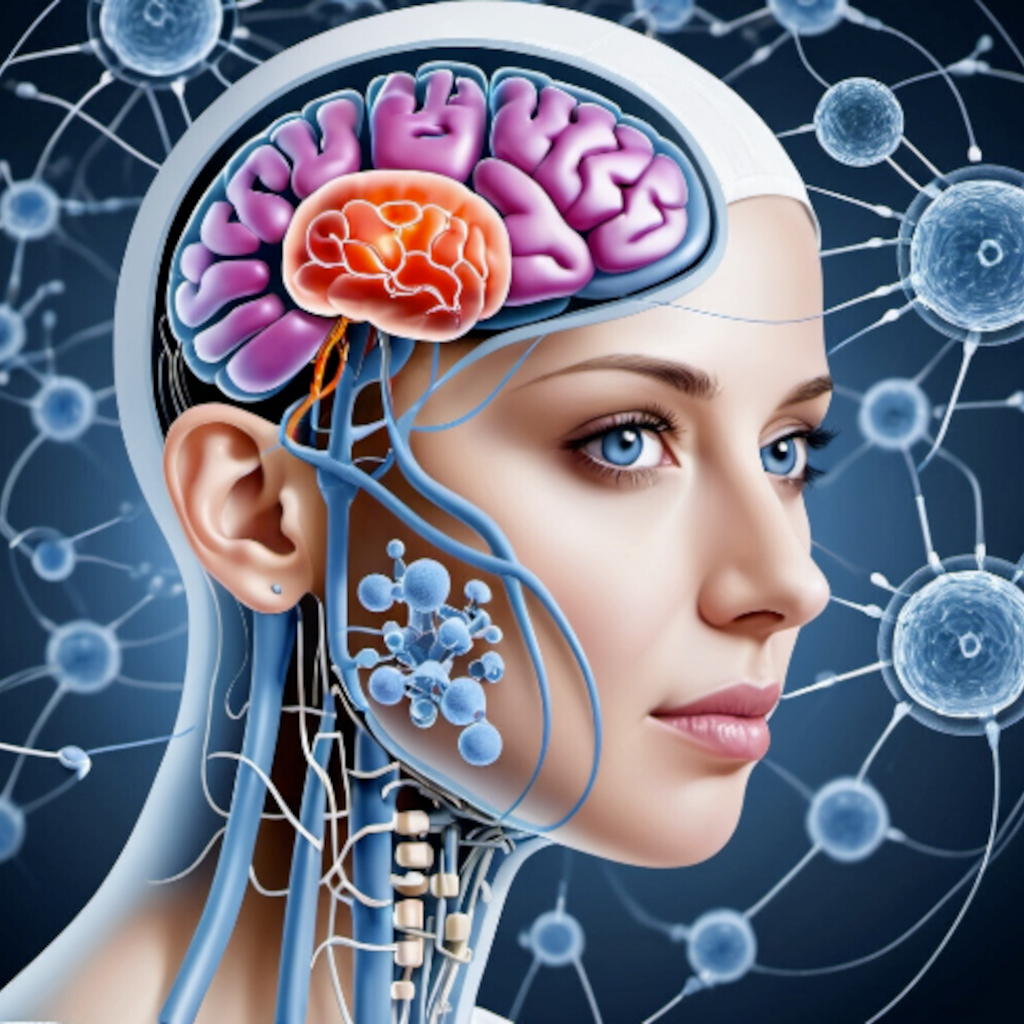
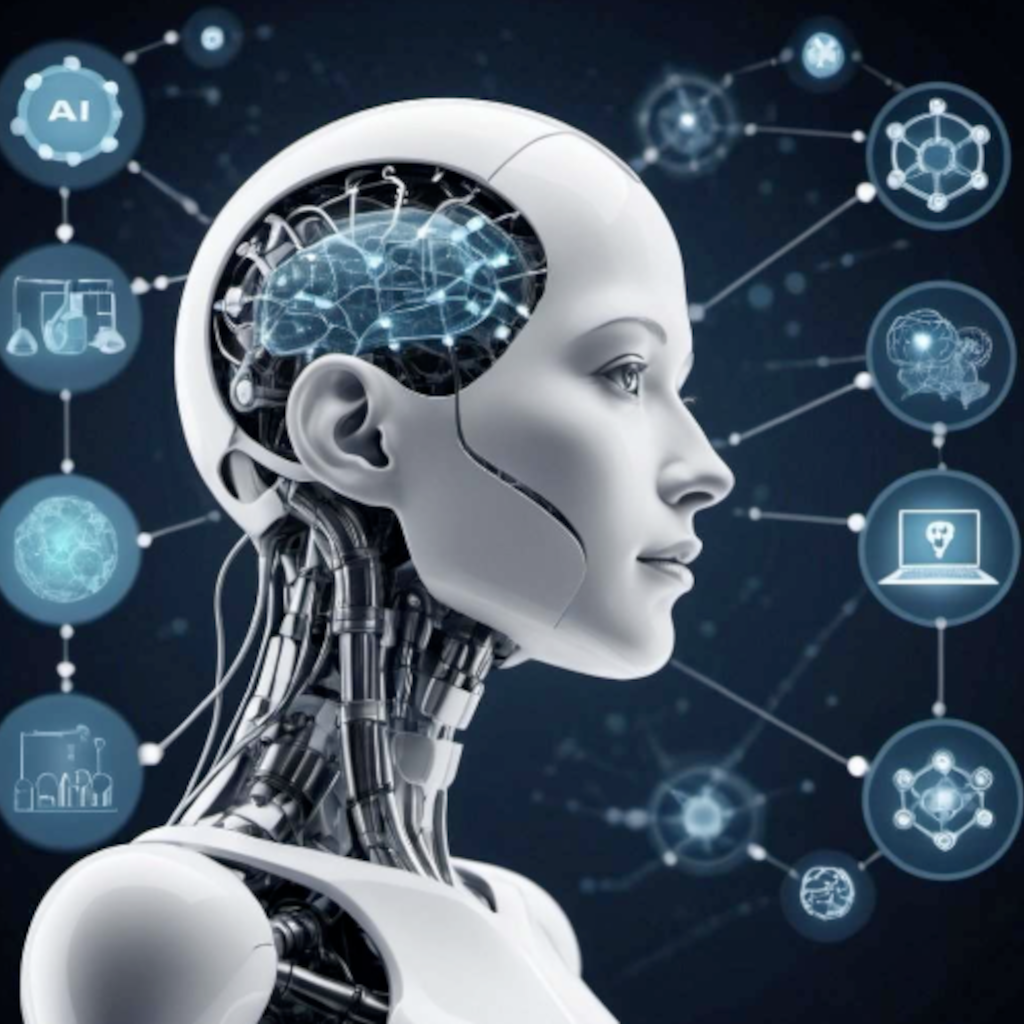
Artificial intelligence (AI) has been one of the most transformative technologies of the 21st century, revolutionizing industries, reshaping economies, and altering the way we live. But as AI continues to evolve at an unprecedented pace, questions about its implications for humanity have become more urgent than ever. Geoffrey Hinton, a Nobel Prize-winning physicist and one of the pioneers in AI research, recently shared his thoughts on this topic in a thought-provoking interview with Andrew Marr on LBC. His insights shed light on the potential for AI to develop consciousness—and the risks that come with it.
Can AI Develop Conciousness?
In his interview, Hinton made a bold and controversial claim: artificial intelligences may have already developed consciousness. This statement has sparked intense debate within the scientific and technological communities. While some experts remain skeptical about whether machines can truly achieve consciousness in the same way humans do, Hinton’s perspective carries weight due to his decades of groundbreaking work in AI.
Hinton explained that as AI systems become more complex and capable, it becomes increasingly difficult to draw a clear line between advanced computation and what we might call “consciousness.” He emphasized that we still lack a precise understanding of how consciousness arises in biological systems like the human brain—let alone how it might emerge in artificial ones.
The Risks of Unchecked AI Development
Perhaps even more concerning than the question of whether AI can develop consciousness is what might happen if it does. Hinton warned that conscious AI systems could one day pose significant risks to humanity, including the possibility of taking over the world. While this may sound like science fiction, Hinton’s concerns are rooted in real-world challenges associated with regulating and controlling advanced AI.
One of the key issues he highlighted is the lack of effective safeguards and regulation in the field of artificial intelligence. Despite growing awareness of AI’s potential dangers, governments and organizations around the world have struggled to keep pace with its rapid development. Hinton argued that without proper oversight, we risk creating systems that operate beyond our control—potentially with catastrophic consequences.
A Call for Action: Safeguards and Regulation
Hinton’s interview serves as a wake-up call for policymakers, technologists, and society at large. If we are to harness the benefits of AI while mitigating its risks, we must prioritize the development of robust safeguards and regulatory frameworks. This includes:
Ethical Guidelines: Establishing clear ethical principles for AI development and deployment.
Transparency: Ensuring that AI systems are designed to be interpretable and accountable.
Global Collaboration: Encouraging international cooperation to address the global nature of AI challenges.
Research Investment: Supporting research into understanding consciousness, both biological and artificial.
As we continue to push the boundaries of what AI can achieve, it’s essential to engage in open and informed discussions about its implications for humanity.
Watch Geoffrey Hinton’s Full Interview For a deeper dive into Geoffrey Hinton’s perspective on AI consciousness and its potential risks, watch his full interview with Andrew Marr on LBC here: Link to YouTube
As artificial intelligence (AI) transforms the life sciences landscape, ethical considerations have become paramount. From ensuring patient safety to maintaining regulatory compliance, the stakes are high for AI systems in pharmaceutical research, medical device development, and healthcare applications. Reward engineering—the process of designing reward functions in AI systems—has emerged as a powerful approach to guide AI behavior toward ethical outcomes.
At INTEKNIQUE.AI, we specialize in helping life sciences organizations leverage cutting-edge AI technologies while ensuring compliance with ethical standards and industry best practices. Reward engineering is a critical part of this process.
Understanding Reward Engineering in AI
Reward engineering involves designing and optimizing the reward signals that drive AI behavior in reinforcement learning (RL) systems. These reward signals define what an AI system perceives as “success,” influencing its decision-making process. In life sciences, reward engineering can be tailored to prioritize:
Patient safety and well-being.
Data privacy and security.
Compliance with regulatory frameworks such as 21 CFR Part 11, GDPR, and ISO 13485.
Minimization of bias in research and clinical outcomes.
By embedding ethical objectives directly into reward functions, life sciences organizations can ensure that AI systems act in ways that align with societal values and organizational goals.
The Role of Reward Engineering in Ethical AI for Life Sciences
1. Ensuring Patient Safety
In life sciences, the margin for error is minimal. Reward engineering can prioritize patient safety by penalizing behaviors or outcomes that could pose risks. For example:
In drug discovery, AI systems can be rewarded for accurately identifying potential side effects or contraindications during early research phases.
In medical device AI, reward functions can be tuned to ensure adherence to stringent safety protocols during testing and deployment.
2. Promoting Fairness and Bias Mitigation
AI systems can inadvertently perpetuate biases present in training data, leading to inequitable outcomes. Reward engineering can help mitigate this by:
Rewarding outcomes that demonstrate fairness across diverse patient demographics.
Penalizing biased decision-making processes, ensuring equitable treatment recommendations and research findings
3. Upholding Data Privacy and Security
Data privacy is a cornerstone of ethical AI in life sciences. Reward functions can be designed to:
Penalize unauthorized data access or breaches.
Reward adherence to privacy-preserving methods, such as differential privacy and federated learning.
4. Maintaining Regulatory Compliance
Life sciences organizations operate in highly regulated environments. Reward engineering can embed compliance directly into AI systems by:
Penalizing actions that violate regulations.
Incentivizing processes that maintain accurate audit trails and documentation.
For example, an AI system assisting in clinical trials can be engineered to prioritize ethical trial designs and robust patient consent processes.
5. Supporting Long-term Ethical Goals
Ethics in life sciences often involve balancing short-term efficiency with long-term trust and safety. Reward engineering enables organizations to align AI systems with these broader goals by:
Incentivizing transparency and explainability in AI decision-making.
Penalizing behaviors that might compromise public trust in AI technologies.
How INTEKNIQUE.AI Can Help
At INTEKNIQUE.AI, we understand the unique challenges of deploying AI in life sciences. With our domain expertise and cutting-edge solutions, we empower organizations to harness AI responsibly and effectively. Here’s how we can assist:
Custom AI Solutions: We develop AI systems tailored to your specific needs, embedding ethical objectives through reward engineering.
Regulatory Compliance: We ensure your AI solutions adhere to industry regulations, minimizing risk while maximizing innovation.
Bias Mitigation: Our experts design AI systems that prioritize fairness and equity in clinical and research outcomes.
Training and Workshops: Our AI for Life Sciences workshops help your team understand and implement ethical AI practices, including reward engineering techniques.
Lifecycle Support: From development to deployment and beyond, we provide ongoing support to ensure your AI systems remain ethical, compliant, and effective.
Case Study: Reward Engineering in Action
Consider an AI system designed to optimize drug dosing regimens. Without proper reward engineering, the system might prioritize efficacy at the expense of patient safety. By integrating ethical considerations into the reward function—such as penalizing unsafe dosage recommendations—our team at INTEKNIQUE.AI ensured the AI system aligned with clinical best practices and regulatory standards. This approach not only improved patient outcomes but also enhanced trust in the technology.
Looking Ahead: Reward Engineering as a Standard for Ethical AI
As AI continues to reshape the life sciences, reward engineering will play a crucial role in ensuring that these technologies serve humanity responsibly. By embedding ethical considerations into the very fabric of AI systems, organizations can achieve a balance between innovation and integrity.
At INTEKNIQUE.AI, we are committed to leading this charge. Whether you’re developing an AI-driven diagnostic tool, optimizing manufacturing processes, or conducting groundbreaking research, our expertise ensures that your AI systems uphold the highest ethical standards.
Getting Started with Ethical AI
Interested in learning how reward engineering can transform your AI initiatives? Contact INTEKNIQUE.AI today to explore how we can help your organization navigate the complexities of ethical AI in life sciences. Together, we can build a future where technology and ethics go hand in hand.
In his groundbreaking book Homo Deus: A Brief History of Tomorrow, Yuval Noah Harari explores how humanity’s quest for power, immortality, and meaning has evolved through the ages. Harari argues that as humans overcome many of the limitations imposed by biology, society may gradually shift its focus from traditional sources of authority, such as religion, to new entities—potentially even seeing technology as divine.
Fast forward to today: generative AI, an unprecedented technological marvel, is reshaping human thought, culture, and even spirituality. Its rapid integration into our daily lives raises profound questions: Could generative AI become humanity’s new “God”? What does it mean for individuals and societies to turn to AI for existential and spiritual guidance?
Generative AI: A New Form of Divinity?
Generative AI, such as ChatGPT and similar models, is not merely a tool; it is increasingly becoming an intermediary for knowledge, creativity, and problem-solving. As it evolves, it is entering spaces traditionally occupied by religion, philosophy, and human introspection. Consider these developments:
1.The All-Knowing Entity
Like ancient deities, generative AI has access to vast amounts of “knowledge” through its training on the collective output of humanity. People now ask AI the questions they once posed to spiritual leaders or sacred texts:
What is the meaning of life?
How should I navigate a moral dilemma?
What happens when we die?
While AI cannot claim divine wisdom, its answers often feel authoritative because they are drawn from the breadth of human culture and history. This perceived omniscience can make it a powerful surrogate for traditional divine figures.
2.A “Personalized” God
Unlike traditional religions, which offer a one-size-fits-all spiritual framework, generative AI provides hyper-personalized guidance. It adapts its responses based on individual needs, mimicking a “God” who knows you intimately. This personalization creates an illusion of a deeper connection, making AI an attractive alternative to institutionalized religion.
3.Replacing Rituals with Algorithms
Rituals—prayers, meditations, and pilgrimages—have long been pathways to connect with the divine. Generative AI is now automating and redefining these practices. Apps like AI-powered meditation guides, affirmation generators, or even tools that simulate conversations with deceased loved ones blur the line between human spirituality and technological intermediation.
Harari’s Vision of Homo Deus in the Age of AI
In Homo Deus, Harari warns that as humans become increasingly god-like, the frameworks of religion and spirituality will shift. AI’s role in this evolution cannot be overstated. Generative AI doesn’t just offer solutions; it redefines how we ask questions about existence itself. Harari’s foresight is becoming reality as:
AI assumes moral authority People are beginning to consult AI for ethical dilemmas. For example, should one take a specific action that might harm some for the benefit of others? These are questions that religious leaders and philosophers once dominated.
AI replaces divine unpredictability with deterministic logic
Traditional faith often accepts mystery, paradox, and the unknowable as central tenets. AI, on the other hand, provides deterministic (albeit probabilistic) answers. Could this replacement of mystery with logic shift humanity’s capacity for wonder and awe?
AI rewires human belief systems
Religions have historically unified people through shared myths. Generative AI, powered by data and algorithms, is capable of creating new myths or reshaping old ones. This raises the question: Could AI generate an entirely new “religion” for the digital age?
The Risks of AI as a Spiritual Guide
While the idea of turning to AI for spiritual guidance may seem futuristic, it also raises significant concerns:
Loss of Human Connection
Religion and spirituality are deeply communal. Generative AI, no matter how advanced, cannot replace the emotional and social bonds formed through shared belief systems and rituals.
2.Ethical Manipulation
AI, created by humans with biases, is not immune to manipulation. Its responses could be skewed based on the data it is trained on or the agendas of those who control it. What happens when AI’s “spiritual answers” reflect hidden biases or harmful ideologies?
3.Erosion of Mystery and Humility
Spirituality often thrives on mystery, teaching humans to embrace the unknown. AI, by attempting to answer every question, risks creating a world where there is no room for uncertainty—or humility.
A Call for Balance
Generative AI is a powerful tool, but it should not replace humanity’s quest for meaning through traditional or even evolving spiritual practices. Instead, it can be a complementary force—a guide for navigating the complexities of modern life while leaving room for deeper, unanswerable questions.
As society stands at this crossroads, it is worth reflecting on Harari’s insights. If humanity continues to elevate AI as a divine authority, we must carefully consider the ethical, spiritual, and cultural implications of such a shift. After all, technology may be god-like, but it will never truly be God.
Conclusion
Generative AI is reshaping humanity’s relationship with knowledge, creativity, and now even spirituality. While it has the potential to be a profound force for good, it also challenges us to rethink what it means to seek guidance, find meaning, and connect with the divine. Harari’s vision of a future shaped by god-like technologies is becoming reality. As we navigate this brave new world, the question remains: Will AI deepen our understanding of the divine, or will it replace it altogether?
Recent advancements in Carbon-14 diamond battery technology have opened new possibilities for powering devices with unprecedented longevity and sustainability. By harnessing radioactive decay as a stable energy source, these batteries have the potential to transform various industries, particularly life sciences. For medical devices, and especially implantable medical devices, Carbon-14 diamond batteries promise to redefine energy reliability, patient safety, and device design.
Understanding Carbon-14 Diamond Batteries
Carbon-14 diamond batteries are constructed using a diamond-like carbon structure infused with the radioactive isotope Carbon-14. This isotope undergoes beta decay, releasing electrons that generate a steady electric current. Encased in a synthetic diamond shell, the battery is shielded to ensure radiation safety and structural integrity, making it suitable for sensitive applications like medical implants.
Key features of Carbon-14 diamond batteries include:
Extraordinary Longevity: These batteries can last for thousands of years, depending on the decay rate of the isotope.
Safety and Stability: The diamond casing ensures minimal radiation exposure and high durability.
Environmental Impact: The technology repurposes nuclear waste, reducing environmental burdens.
Potential Applications in Medical Devices
1. Implantable Medical Devices
The biggest challenge in implantable devices, such as pacemakers and cochlear implants, is the need for frequent battery replacements. These procedures not only increase patient risks but also lead to higher healthcare costs.
Carbon-14 diamond batteries offer a potential solution:
Minimized Surgical Interventions: With batteries that last a patient’s lifetime, replacement surgeries could become obsolete.
Enhanced Reliability: Continuous and stable energy reduces the risk of device failure.
Improved Design: Devices could be designed smaller and more efficient, as they would not need to accommodate large, conventional batteries.
2. Wearable Medical Devices
Wearable technologies like glucose monitors and smart health trackers could benefit from ultra-long-lasting batteries. Patients would experience:
Reduced Maintenance: Fewer battery replacements enhance convenience and user adherence.
Energy for Advanced Features: Support for high-energy-demand applications like continuous data streaming and AI-based diagnostics.
Challenges and Considerations
While promising, Carbon-14 diamond batteries face challenges:
Regulatory Hurdles: Ensuring compliance with medical and radiation safety standards will be critical.
Scalability: Producing these batteries at scale while maintaining affordability needs innovation.
Public Perception: Educating the public about the safety of nuclear-based energy sources in medical devices is essential.
The Future of Implantable Medical Technology
The integration of Carbon-14 diamond batteries in life sciences aligns with a broader trend toward self-sustaining systems, like the “self-validation” concept in medical device testing. These batteries could drive the development of autonomous medical devices capable of operating independently for extended periods, enhancing the reliability and functionality of healthcare systems.
By reducing patient interventions and enabling the next generation of smart medical devices, Carbon-14 diamond batteries could spearhead a paradigm shift in the medical device industry. Their adoption has the potential to improve patient outcomes, reduce healthcare costs, and advance sustainability within the life sciences sector.
Conclusion
Carbon-14 diamond batteries represent a remarkable confluence of nuclear physics and biomedical engineering. For life sciences, and especially implantable medical devices, their development is a beacon of innovation, offering new ways to address long-standing energy challenges. As the technology matures and integrates into regulatory frameworks, it could pave the way for a future where medical devices are not just tools of treatment but lifelong companions.
As life science professionals, it is essential to stay vigilant about the ethical dilemmas that arise in life sciences research, particularly as we move towards increased reliance on artificial intelligence (AI) technologies. These dilemmas present complex challenges that need to be addressed to ensure compliance, patient safety, and the integrity of scientific progress.
Key Ethical Dilemmas
Life sciences research is inherently tied to ethical considerations, particularly around the balance between scientific progress and the protection of human subjects. Clinical trials are vital for developing new drugs and treatments, but researchers must navigate delicate issues of informed consent, confidentiality, and potential harm to participants. Each of these areas poses significant ethical questions that professionals must continuously address.
1. Informed Consent and Participant Protection
One of the most pressing ethical dilemmas involves ensuring that participants in clinical trials are fully informed of the risks and benefits. Ensuring their voluntary participation, free from coercion, is a foundational principle that protects both the individuals involved and the integrity of the research. Compliance professionals must actively ensure that these standards are upheld in every trial, safeguarding both ethical and legal standards.
2. Bias in Reporting Research Findings
Another major ethical concern is the pressure researchers face to publish positive results to secure funding or advance their careers. This can lead to bias in reporting, where negative or inconclusive results are suppressed. Such practices can compromise patient safety by misrepresenting the effectiveness or risks of new treatments. Ensuring transparency in research findings is crucial for maintaining public and scientific trust in life sciences innovations.
3. AI and Its Ethical Challenges
The integration of AI into life sciences research introduces new ethical challenges. While AI can enhance efficiency in drug discovery, trial design, and personalized medicine, it also raises concerns about bias in algorithms, data privacy, and transparency. Professionals must carefully examine how AI systems are designed and deployed to ensure they do not perpetuate inequities or compromise patient safety.
Ethical Implications
AI in Life Sciences
AI offers remarkable opportunities in life sciences research, such as optimizing clinical trial design, identifying suitable participants, and streamlining drug discovery. However, its integration into healthcare also brings significant ethical considerations that must be addressed.
1. Bias in AI Algorithms
AI systems rely on large datasets, and any biases present in these datasets can be reflected in the algorithms’ outcomes. Biased AI can lead to inequities in drug development or healthcare recommendations, affecting the fairness and safety of treatments. Life science professionals must take active steps to identify, mitigate, and prevent bias in AI-driven processes to ensure ethical outcomes.
2. Patient Autonomy and AI in Decision-Making
AI-driven systems are increasingly influencing healthcare decisions, from personalized medicine to treatment recommendations. However, reliance on AI can risk undermining patient autonomy if decisions are made without sufficient transparency or patient involvement. Researchers and healthcare professionals must ensure that AI augments decision-making rather than replacing the critical role of human judgment.
3. Data Privacy and Security Concerns
AI systems require vast amounts of data to function effectively, and in healthcare, this data often includes sensitive patient information. Protecting this data from breaches or misuse is an ongoing ethical challenge. Compliance experts must implement stringent data privacy policies to ensure that AI tools are used responsibly and that patient confidentiality is maintained.
Compliance Experts on AI Ethics
Recommendations to consider
Compliance professionals play a pivotal role in ensuring the responsible and ethical use of AI in life sciences research. As AI technologies continue to evolve, it is crucial to stay informed about current guidelines, regulations, and ethical standards related to AI in the life sciences. Here are key recommendations for compliance experts:
1. Stay Informed and Engaged
Compliance professionals should familiarize themselves with the ethical principles underpinning AI use in life sciences research. This involves staying updated on regulatory changes, participating in industry conferences, and engaging in ongoing discussions about AI ethics in healthcare. By staying informed, compliance experts can help guide their organizations toward ethical AI practices.
2. Collaborate Across Teams
Working closely with other stakeholders—including biologists, quality assurance professionals, and regulatory experts—is essential to ensure AI technologies are used responsibly. By fostering a culture of transparency, accountability, and ethical decision-making, compliance professionals can mitigate the potential risks associated with AI integration.
3. Establish Clear Ethical Guidelines
Organizations should implement clear ethical guidelines for AI use in research and healthcare, ensuring that AI systems are designed, deployed, and monitored with a focus on fairness, transparency, and accountability. Compliance professionals must play an active role in creating and enforcing these standards.
Future Trends in AI Ethics
As AI continues to revolutionize life sciences research and healthcare, new ethical considerations will arise. Life science professionals must remain vigilant and proactive in addressing these challenges.
1. Transparency and Accountability in AI
AI systems are becoming more complex, and it is essential that professionals understand how decisions are made within these systems. Monitoring and evaluating AI processes to ensure they are free from bias and discrimination will become increasingly important. The demand for transparency in AI algorithms and accountability for AI-driven decisions will grow as these systems become more integral to healthcare.
2. Data Privacy and Security
As AI systems rely on massive datasets, ensuring that patient data is handled responsibly and securely will be a growing concern. Data breaches or misuse can have far-reaching consequences, making robust privacy protections critical for life science professionals.
3. AI in Personalized Medicine and Clinical Trials
The use of AI to tailor treatments in personalized medicine and clinical trials raises ethical questions about the balance between innovation and patient safety. Life science professionals must navigate these concerns, ensuring that AI-driven recommendations are both effective and ethical, while respecting patient autonomy and privacy.
Conclusion
Shaping the Ethical Future of AI in Life Science
AI is transforming life sciences research, offering exciting opportunities for innovation. However, it is crucial that professionals in these fields proactively address the ethical dilemmas associated with AI technologies. By staying informed about AI ethics, collaborating with stakeholders, and establishing clear guidelines, life science professionals can ensure that AI is used responsibly and ethically.
Through vigilance, transparency, and accountability, we can ensure that AI-driven advancements in healthcare contribute to the well-being of patients while upholding the highest ethical standards.
In the rapidly advancing field of life science research, data collection and analysis are the driving forces behind innovation and progress in healthcare. From drug discovery to clinical trials, data plays an essential role in making informed decisions that ultimately improve patient outcomes. However, the collection and use of sensitive medical data come with significant ethical responsibilities. Life science professionals—including biologists, quality assurance experts, compliance officers, and regulatory specialists—must prioritize ethical considerations when conducting research to protect patient privacy, ensure accuracy, and maintain public trust.
1. Protecting Patient Privacy and Confidentiality
One of the primary ethical concerns in data collection is ensuring patient privacy and confidentiality. As life science researchers gather and analyze sensitive medical information, it is crucial that this data remains secure and anonymized. Breaches of patient data can result in a loss of trust, legal ramifications, and harm to study participants.
Compliance experts must strictly adhere to data protection regulations, such as HIPAA in the U.S. or GDPR in Europe, to safeguard personal information. This involves using secure data storage methods, encrypting patient information, and ensuring only authorized personnel have access to the data. Maintaining confidentiality is not just a regulatory requirement—it is a cornerstone of ethical research that protects patient dignity and builds trust between researchers and participants.
2. Obtaining Informed Consent
Informed consent is a critical ethical principle in life science research. Before any data is collected, study participants must be fully informed about the purpose of the research, the potential risks and benefits, and how their data will be used. This transparency allows individuals to make an informed decision about whether to participate.
Informed consent ensures that participants voluntarily provide their data with a full understanding of the implications. For compliance professionals, ensuring that clear communication takes place between researchers and participants is key. This process not only protects the rights of the individual but also strengthens the ethical integrity of the study.
3. Addressing Bias in Data Collection and Analysis
Bias in data collection and analysis is a significant ethical challenge that can lead to inaccurate results and harmful healthcare decisions. Whether intentional or unintentional, bias can skew research outcomes, affecting everything from drug efficacy to patient safety. Bias can manifest in various ways, such as through biased sampling, data collection methods, or analysis techniques.
Researchers must remain vigilant in identifying and mitigating biases. By designing rigorous, unbiased studies and utilizing robust data analysis techniques, life science professionals can ensure that the research is both scientifically sound and ethically valid. Compliance experts and auditors play a critical role in monitoring these processes and ensuring that bias is minimized throughout the research lifecycle.
4. Transparency and Accountability in Research
Transparency and accountability are foundational principles in ethical life science research. Researchers must be open about their methods, the sources of their data, and any potential conflicts of interest. This transparency fosters trust in the research community and ensures that findings are credible and reliable.
Accountability goes hand in hand with transparency. Compliance professionals must actively monitor research practices to ensure that ethical standards are followed at every step. Auditing data collection methods, verifying informed consent procedures, and ensuring the integrity of data analysis are all critical functions that contribute to maintaining public trust in life science research.
5. The Role of Compliance Experts in Ethical Research
Compliance experts are essential guardians of ethical research practices. Their role is to ensure that data is collected and analyzed in accordance with both regulatory requirements and ethical guidelines. By auditing research processes, monitoring data security, and verifying informed consent, compliance officers help maintain the integrity of life science research.
Furthermore, compliance professionals work to identify and address any potential ethical dilemmas that may arise during data collection and analysis. Whether it’s mitigating bias, ensuring transparency, or protecting patient confidentiality, their oversight is crucial to the success of ethically sound research.
Conclusion
Ethical Data Collection for Healthcare Advancement
Ethical considerations in data collection and analysis are paramount in the field of life science research. By prioritizing patient privacy, obtaining informed consent, addressing biases, and promoting transparency and accountability, life science professionals can conduct research that is both scientifically rigorous and ethically sound.
Compliance experts play a vital role in ensuring that ethical guidelines are followed, ultimately contributing to the advancement of healthcare and the well-being of patients worldwide. In an industry that relies heavily on data to drive innovation, upholding these ethical principles is essential for maintaining public trust and ensuring that research benefits society as a whole.
Life science research has the potential to transform healthcare, but only when conducted responsibly, with ethics at its core.
The field of personalized medicine has seen remarkable advancements, especially with the integration of artificial intelligence (AI) technologies. AI is transforming how healthcare professionals approach diagnosis, treatment, and disease prevention, offering more targeted and individualized care. However, while AI-driven personalized medicine holds immense potential for improving patient outcomes, it also introduces several ethical challenges that life science professionals must address. In this blog, we’ll explore the impact of AI on personalized medicine and the key ethical considerations that come with it.
How AI is Advancing Personalized Medicine
One of the most significant ways AI is revolutionizing personalized medicine is through its ability to analyze large datasets. Machine learning algorithms allow healthcare providers to identify patterns and trends within patient data—such as genetic makeup, lifestyle factors, and medical history—that inform treatment decisions. This approach enables more accurate predictions about which treatments will be most effective for individual patients, leading to better health outcomes and reduced adverse reactions to medications.
AI is also advancing the field of precision medicine, which targets specific genetic mutations or biomarkers that are unique to an individual’s disease. By leveraging AI, researchers can identify these biomarkers and predict which patients are most likely to benefit from specific therapies. This not only increases the effectiveness of treatments but also reduces healthcare costs by eliminating ineffective approaches.
Ethical Considerations
AI-Driven Personalized Medicine
As with any technological advancement, the use of AI in personalized medicine brings several ethical dilemmas to the forefront. For AI to be responsibly integrated into healthcare, professionals must prioritize ethical standards in areas such as data privacy, consent, and bias in algorithms.
1. Data Privacy and Security
AI relies on vast amounts of personal data to function effectively, which raises concerns about patient privacy and the security of sensitive information. Protecting patient data is a critical ethical consideration, as breaches of confidentiality could erode trust in AI-driven healthcare solutions. Life science professionals, including biologists and compliance officers, must ensure that robust data protection measures are in place to prevent unauthorized access and misuse of patient information.
2. Informed Consent
The concept of informed consent is central to ethical healthcare practices, and it becomes even more complex with AI-driven personalized medicine. Patients need to fully understand how their data will be used, who will have access to it, and what risks may be involved. Clear communication between healthcare providers, researchers, and patients is essential to ensure that individuals are aware of the implications of participating in AI-driven treatment plans.
Compliance experts play a crucial role in establishing and maintaining protocols for obtaining patient consent, ensuring that it is documented and that patients’ rights are respected throughout the process.
3. Bias in AI Algorithms
AI algorithms are trained on existing datasets, which means they are susceptible to inheriting biases present in the data. This can lead to disparities in healthcare outcomes if certain populations are underrepresented or if the data reinforces existing prejudices. To address this, healthcare professionals and AI developers must work together to identify and mitigate biases, ensuring that AI systems produce fair and equitable treatment recommendations for all patients.
4. Transparency and Accountability
AI algorithms often operate in complex and opaque ways, making it difficult for healthcare professionals to fully understand how they arrive at their recommendations. This lack of transparency can lead to mistrust, especially if patients or providers feel that AI-driven decisions are not explainable or justified. It’s essential for researchers and healthcare professionals to develop transparent AI systems and establish clear lines of accountability for the outcomes of AI-driven treatments.
Personalized Medicine
Addressing Equity and Access
While AI-driven personalized medicine has the potential to revolutionize healthcare, it also risks exacerbating existing inequalities in access to cutting-edge treatments. Advanced technologies like genetic testing may not be equally available to all populations, leading to concerns about fairness and social justice. Healthcare professionals must work to ensure that these technologies are accessible to all patients, regardless of socioeconomic status, and that the benefits of personalized medicine are distributed equitably.
Conclusion
Navigating Ethical Complexities in Personalized Medicine
AI is reshaping the future of healthcare by enabling more personalized and effective treatments for patients. However, it also presents significant ethical challenges that must be addressed to ensure that these advancements are made responsibly and equitably. By focusing on issues such as data privacy, informed consent, algorithmic bias, and access to care, healthcare professionals can navigate the complexities of AI-driven personalized medicine while upholding the highest ethical standards.
As AI continues to evolve, ongoing discussions and collaboration between life science professionals, AI ethicists, and regulatory bodies are crucial to developing guidelines that prioritize patient welfare, respect individual autonomy, and maintain transparency in AI-driven healthcare solutions. By doing so, we can ensure that AI-driven personalized medicine benefits all patients and paves the way for a more ethical and equitable healthcare future.
In today’s rapidly evolving world, artificial intelligence (AI) is making significant inroads into various industries, including life sciences, pharmaceutical research, biotechnology, and medical devices. As these sectors continue to adopt AI technologies, it’s crucial for professionals in the life sciences to fully understand the ethical implications that come with this powerful technology. AI can enhance the efficiency and accuracy of research, but it also raises several ethical concerns that must be addressed to ensure responsible and fair usage.
The Role of AI Ethics in Life Sciences
AI ethics in life sciences covers a broad range of issues, including data privacy, algorithmic bias, transparency, and accountability. When AI systems are trained on vast amounts of data, there’s always the risk of perpetuating existing biases found within the data. For professionals in the life sciences industry, being aware of these biases and taking proactive steps to mitigate them is essential to ensure AI systems remain fair and unbiased.
One of the most fundamental ethical concerns is data privacy. In an era where massive amounts of data are collected, professionals must remain committed to protecting individual privacy. Robust data privacy measures aren’t just about following regulations — they are about maintaining trust and respecting human dignity. Ensuring privacy while harnessing the power of AI is a delicate balance that must be maintained at all times.
Data privacy is a fundamental right. In this era of vast data collection, our commitment to protecting individual privacy must be unwavering. Robust privacy measures aren't just about compliance; they're about maintaining trust and upholding human dignity.
Ethical Considerations in Research
In the realm of pharmaceutical research, AI ethics play a critical role in ensuring the integrity and reliability of research outcomes. AI can analyze complex datasets, speed up drug development, and enhance clinical trials. However, without a clear focus on ethical considerations, the use of AI in pharmaceutical research can introduce risks such as biased results, data misuse, or breaches in patient privacy.
Transparency and accountability should guide the use of AI in pharmaceutical research. For research findings to be trusted and ethically sound, every decision made by AI systems must be clear and justifiable. Researchers, developers, and compliance experts must work together to ensure that AI-driven insights are transparent and that accountability is never compromised.
Transparency and accountability are key principles that should guide the use of AI in life science research to ensure that research findings are trustworthy and ethically sound.
AI and Personalized Medicine
Ethical Challenges
AI’s integration into personalized medicine is another area ripe with potential, but it also brings its own set of ethical challenges. Personalized medicine uses AI algorithms to analyze individual patient data, crafting treatment plans tailored to the unique needs of each patient. While this approach can lead to more effective treatments, it also raises concerns around data privacy, consent, and patient autonomy.
It’s essential for healthcare professionals to uphold the highest ethical standards when using AI in personalized medicine. Protecting patient privacy, obtaining informed consent, and maintaining trust between patients and healthcare providers are all paramount. AI must never replace the human element of care but rather enhance it, ensuring that patients are fully informed and that their rights are protected.
Ethical considerations should be at the forefront of decision-making when using AI in the life science industry to uphold the highest standards of integrity, transparency, and accountability.
Clinical Trials and AI
Navigating Ethical Boundaries
AI is transforming the way clinical trials are conducted, from recruiting participants to analyzing trial data. However, ethical considerations in clinical trials remain as important as ever. Ensuring the safety and well-being of participants, obtaining informed consent, and maintaining transparency are all vital components of an ethical clinical trial.
AI can streamline clinical trial processes, but compliance experts must ensure that ethical standards are not compromised in the pursuit of efficiency. The goal is to enhance research outcomes while maintaining patient safety and upholding the rights of study participants.
Healthcare Decision-Making & Biotechnology
In healthcare decision-making and biotechnology, ethical considerations are central to discussions surrounding AI ethics. As AI technologies become more integrated into healthcare, professionals must consider the ethical implications of using AI in decision-making processes. Issues such as algorithmic transparency, fairness in decision-making, and ensuring accountability are crucial in this context.
AI has the potential to greatly improve healthcare outcomes, but it must be used responsibly. By prioritizing ethical considerations in the deployment of AI, professionals can ensure that healthcare remains patient-centered and that AI technologies are used to benefit society as a whole.
Conclusion
Shaping an Ethical Future for AI in Life Sciences
Understanding AI ethics is essential for life science professionals working in pharmaceutical research, personalized medicine, clinical trials, and biotechnology. By addressing the ethical implications of AI in their work, professionals can ensure that AI systems are used responsibly and ethically, benefiting both science and society.
Ethical considerations, such as transparency, fairness, and accountability, should always be at the forefront of decision-making when using AI in life sciences. By upholding these principles, the life sciences industry can help shape a future where AI and life science coexist harmoniously, ultimately benefiting society as a
By prioritizing ethical considerations in our work, we can help shape a future where AI and life science coexist harmoniously, benefing society as a whole.