
Category: Medical Device

  • Reward Engineering: A Key to Ethical AI in Life Sciences

    Reward Engineering: A Key to Ethical AI in Life Sciences

    Reward Engineering: A Key to Ethical AI in Life Sciences

    AI Applications,AI Ethics,Medical Device,Regulatory

    December 23, 2024
    Unlocking Ethical AI for Life Sciences

    The Key to Ethical AI in Life Sciences

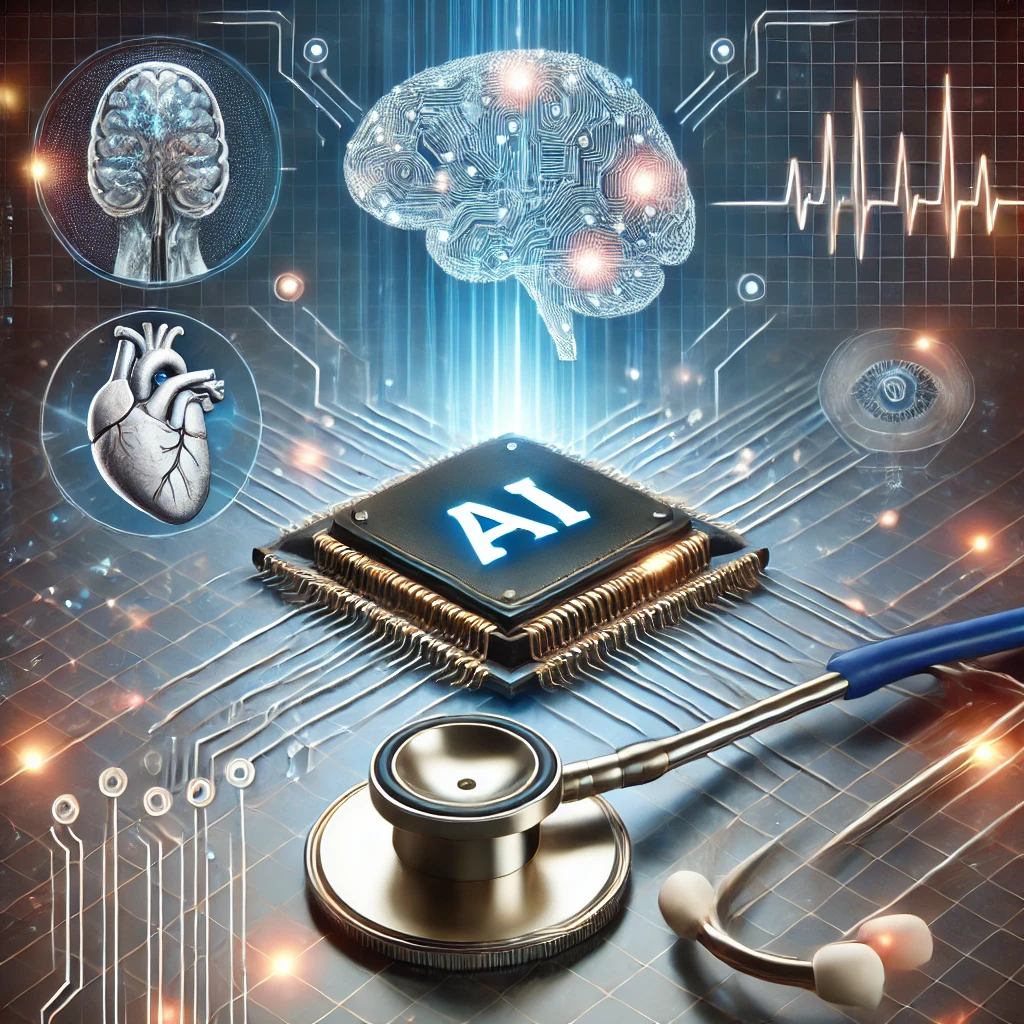
    As artificial intelligence (AI) transforms the life sciences landscape, ethical considerations have become paramount. From ensuring patient safety to maintaining regulatory compliance, the stakes are high for AI systems in pharmaceutical research, medical device development, and healthcare applications. Reward engineering—the process of designing reward functions in AI systems—has emerged as a powerful approach to guide AI behavior toward ethical outcomes.

    At INTEKNIQUE.AI, we specialize in helping life sciences organizations leverage cutting-edge AI technologies while ensuring compliance with ethical standards and industry best practices. Reward engineering is a critical part of this process.

    Understanding Reward Engineering in AI

    Reward engineering involves designing and optimizing the reward signals that drive AI behavior in reinforcement learning (RL) systems. These reward signals define what an AI system perceives as “success,” influencing its decision-making process. In life sciences, reward engineering can be tailored to prioritize:

    • Patient safety and well-being.
    • Data privacy and security.
    • Compliance with regulatory frameworks such as 21 CFR Part 11, GDPR, and ISO 13485.
    • Minimization of bias in research and clinical outcomes.


    By embedding ethical objectives directly into reward functions, life sciences organizations can ensure that AI systems act in ways that align with societal values and organizational goals.

    The Role of Reward Engineering in Ethical AI for Life Sciences

    1. Ensuring Patient Safety

    In life sciences, the margin for error is minimal. Reward engineering can prioritize patient safety by penalizing behaviors or outcomes that could pose risks. For example:

    • In drug discovery, AI systems can be rewarded for accurately identifying potential side effects or contraindications during early research phases.
    • In medical device AI, reward functions can be tuned to ensure adherence to stringent safety protocols during testing and deployment.

    2. Promoting Fairness and Bias Mitigation

    AI systems can inadvertently perpetuate biases present in training data, leading to inequitable outcomes. Reward engineering can help mitigate this by:

    • Rewarding outcomes that demonstrate fairness across diverse patient demographics.
    • Penalizing biased decision-making processes, ensuring equitable treatment recommendations and research findings

    3. Upholding Data Privacy and Security

    Data privacy is a cornerstone of ethical AI in life sciences. Reward functions can be designed to:

    • Penalize unauthorized data access or breaches.
    • Reward adherence to privacy-preserving methods, such as differential privacy and federated learning.

    4. Maintaining Regulatory Compliance

    Life sciences organizations operate in highly regulated environments. Reward engineering can embed compliance directly into AI systems by:

    • Penalizing actions that violate regulations.
    • Incentivizing processes that maintain accurate audit trails and documentation.


    For example, an AI system assisting in clinical trials can be engineered to prioritize ethical trial designs and robust patient consent processes.

    5. Supporting Long-term Ethical Goals

    Ethics in life sciences often involve balancing short-term efficiency with long-term trust and safety. Reward engineering enables organizations to align AI systems with these broader goals by:

    • Incentivizing transparency and explainability in AI decision-making.
    • Penalizing behaviors that might compromise public trust in AI technologies.

    How INTEKNIQUE.AI Can Help

    At INTEKNIQUE.AI, we understand the unique challenges of deploying AI in life sciences. With our domain expertise and cutting-edge solutions, we empower organizations to harness AI responsibly and effectively. Here’s how we can assist:

    1. Custom AI Solutions: We develop AI systems tailored to your specific needs, embedding ethical objectives through reward engineering.
    2. Regulatory Compliance: We ensure your AI solutions adhere to industry regulations, minimizing risk while maximizing innovation.
    3. Bias Mitigation: Our experts design AI systems that prioritize fairness and equity in clinical and research outcomes.
    4. Training and Workshops: Our AI for Life Sciences workshops help your team understand and implement ethical AI practices, including reward engineering techniques.
    5. Lifecycle Support: From development to deployment and beyond, we provide ongoing support to ensure your AI systems remain ethical, compliant, and effective.

    Case Study: Reward Engineering in Action

    Consider an AI system designed to optimize drug dosing regimens. Without proper reward engineering, the system might prioritize efficacy at the expense of patient safety. By integrating ethical considerations into the reward function—such as penalizing unsafe dosage recommendations—our team at INTEKNIQUE.AI ensured the AI system aligned with clinical best practices and regulatory standards. This approach not only improved patient outcomes but also enhanced trust in the technology.

    Looking Ahead: Reward Engineering as a Standard for Ethical AI

    As AI continues to reshape the life sciences, reward engineering will play a crucial role in ensuring that these technologies serve humanity responsibly. By embedding ethical considerations into the very fabric of AI systems, organizations can achieve a balance between innovation and integrity.

    At INTEKNIQUE.AI, we are committed to leading this charge. Whether you’re developing an AI-driven diagnostic tool, optimizing manufacturing processes, or conducting groundbreaking research, our expertise ensures that your AI systems uphold the highest ethical standards.

    Getting Started with Ethical AI

    Interested in learning how reward engineering can transform your AI initiatives? Contact INTEKNIQUE.AI today to explore how we can help your organization navigate the complexities of ethical AI in life sciences. Together, we can build a future where technology and ethics go hand in hand.



    Book a Free Consultancy

  • Quantum Leap: How Google’s Willow Chip Redefines the Future of Life Sciences

    Quantum Leap: How Google’s Willow Chip Redefines the Future of Life Sciences

    Quantum Leap: How Google’s Willow Chip Redefines the Future of Life Sciences

    AI Applications,Medical Device,The Future

    December 10, 2024

    Introduction

    Google’s recent unveiling of its quantum computing chip, Willow, marks a significant advancement in computational technology. This 105-qubit processor has demonstrated the capability to solve complex problems in mere minutes—tasks that would take classical supercomputers an unfathomable amount of time, surpassing the age of the universe. This leap not only propels quantum computing forward but also holds transformative potential for the life sciences sector.

    Google says it has cracked a quantum computing challenge with new chip

    Enhancing Drug Discovery and Development

    The pharmaceutical industry stands to gain immensely from quantum computing. Traditional drug discovery involves sifting through vast molecular libraries to identify potential candidates, a process that is both time-consuming and costly. Quantum computers can simulate molecular interactions with unprecedented precision, enabling researchers to predict how drugs will interact with their targets at the quantum level. This capability accelerates the identification of promising compounds and reduces the likelihood of costly failures in later stages of development. For instance, Google’s Quantum AI team has explored using quantum algorithms to understand complex enzymes like Cytochrome P450, which play a crucial role in drug metabolism.

    Google Quantum AI Sees Quantum as Engine to Power Deep Tech Use Cases

    Revolutionizing Genomic Analysis

    Genomic sequencing and analysis generate massive datasets that require substantial computational power to process. Quantum computing can handle these large datasets more efficiently than classical computers, facilitating faster analysis of genetic information. This advancement could lead to more personalized medicine approaches, where treatments are tailored to an individual’s genetic makeup, enhancing efficacy and reducing adverse effects.

    Advancing Medical Imaging and Diagnostics

    Medical imaging techniques such as MRI and CT scans produce complex data that must be interpreted accurately for effective diagnosis. Quantum algorithms can improve image reconstruction and pattern recognition, leading to earlier and more accurate detection of diseases. Enhanced diagnostic capabilities can significantly improve patient outcomes by enabling timely interventions.

    Optimizing Supply Chains in Healthcare

    The healthcare supply chain is intricate, involving the coordination of numerous entities to deliver medical products and services. Quantum computing can optimize these supply chains by solving complex logistical problems more efficiently than classical systems. This optimization ensures that resources are allocated effectively, reducing costs and improving patient care delivery.

    Accelerating Research in Complex Biological Systems

    Understanding biological systems, such as protein folding and cellular processes, involves complex computations that are often beyond the reach of classical computers. Quantum computing can model these systems with greater accuracy, providing insights that could lead to breakthroughs in treating diseases like Alzheimer’s and cancer.

    Challenges and Future Outlook

    Despite its promise, quantum computing in life sciences is still in its nascent stages. Challenges such as qubit stability, error rates, and the need for specialized hardware must be addressed. However, collaborations between tech giants and research institutions are paving the way for practical applications. For example, Google’s partnership with NVIDIA aims to accelerate quantum processor design, which could enhance the development of quantum computing solutions for life sciences.

    NVIDIA Accelerates Google Quantum AI Processor Design With Simulation of Quantum Device Physics

    In conclusion, Google’s Willow chip represents a pivotal step toward harnessing quantum computing’s potential in the life sciences. As this technology matures, it promises to revolutionize various aspects of healthcare, from drug discovery to personalized medicine, ultimately leading to improved patient outcomes and more efficient healthcare systems.

  • The Carbon-14 Diamond Battery: Energy for Medical Devices for Life

    The Carbon-14 Diamond Battery: Energy for Medical Devices for Life

    The Carbon-14 Diamond Battery: Energy for Medical Devices for Life

    AI Applications,AI Ethics,Medical Device,The Future

    December 9, 2024

    Introduction

    Recent advancements in Carbon-14 diamond battery technology have opened new possibilities for powering devices with unprecedented longevity and sustainability. By harnessing radioactive decay as a stable energy source, these batteries have the potential to transform various industries, particularly life sciences. For medical devices, and especially implantable medical devices, Carbon-14 diamond batteries promise to redefine energy reliability, patient safety, and device design.

    Understanding Carbon-14 Diamond Batteries

    Carbon-14 diamond batteries are constructed using a diamond-like carbon structure infused with the radioactive isotope Carbon-14. This isotope undergoes beta decay, releasing electrons that generate a steady electric current. Encased in a synthetic diamond shell, the battery is shielded to ensure radiation safety and structural integrity, making it suitable for sensitive applications like medical implants.

    Key features of Carbon-14 diamond batteries include:

    • Extraordinary Longevity: These batteries can last for thousands of years, depending on the decay rate of the isotope.
    • Safety and Stability: The diamond casing ensures minimal radiation exposure and high durability.
    • Environmental Impact: The technology repurposes nuclear waste, reducing environmental burdens.

    Potential Applications in Medical Devices

    1. Implantable Medical Devices

    The biggest challenge in implantable devices, such as pacemakers and cochlear implants, is the need for frequent battery replacements. These procedures not only increase patient risks but also lead to higher healthcare costs.

    Carbon-14 diamond batteries offer a potential solution:

    • Minimized Surgical Interventions: With batteries that last a patient’s lifetime, replacement surgeries could become obsolete.
    • Enhanced Reliability: Continuous and stable energy reduces the risk of device failure.
    • Improved Design: Devices could be designed smaller and more efficient, as they would not need to accommodate large, conventional batteries.

    2. Wearable Medical Devices

    Wearable technologies like glucose monitors and smart health trackers could benefit from ultra-long-lasting batteries. Patients would experience:

    • Reduced Maintenance: Fewer battery replacements enhance convenience and user adherence.
    • Energy for Advanced Features: Support for high-energy-demand applications like continuous data streaming and AI-based diagnostics.

    Challenges and Considerations

    While promising, Carbon-14 diamond batteries face challenges:

    • Regulatory Hurdles: Ensuring compliance with medical and radiation safety standards will be critical.
    • Scalability: Producing these batteries at scale while maintaining affordability needs innovation.
    • Public Perception: Educating the public about the safety of nuclear-based energy sources in medical devices is essential.

    The Future of Implantable Medical Technology

    The integration of Carbon-14 diamond batteries in life sciences aligns with a broader trend toward self-sustaining systems, like the “self-validation” concept in medical device testing. These batteries could drive the development of autonomous medical devices capable of operating independently for extended periods, enhancing the reliability and functionality of healthcare systems.

    By reducing patient interventions and enabling the next generation of smart medical devices, Carbon-14 diamond batteries could spearhead a paradigm shift in the medical device industry. Their adoption has the potential to improve patient outcomes, reduce healthcare costs, and advance sustainability within the life sciences sector.

    Conclusion

    Carbon-14 diamond batteries represent a remarkable confluence of nuclear physics and biomedical engineering. For life sciences, and especially implantable medical devices, their development is a beacon of innovation, offering new ways to address long-standing energy challenges. As the technology matures and integrates into regulatory frameworks, it could pave the way for a future where medical devices are not just tools of treatment but lifelong companions.

  • AI in medical devices under MDR and IVDR regulations

    AI in medical devices under MDR and IVDR regulations

    AI in medical devices under MDR and IVDR regulations

    Medical Device

    November 25, 2024

    Artificial Intelligence in Medical Devices:
    Insights from the German Notified Bodies

    In the rapidly evolving landscape of medical technology, Artificial Intelligence (AI) is emerging as a transformative force. To address the unique challenges and opportunities AI presents, the German Notified Bodies, in collaboration with Team-NB, have developed a comprehensive position paper and questionnaire aimed at guiding manufacturers through the complexities of AI integration in medical devices.

    Key Highlights from the Position Paper

    The joint publication, titled Artificial Intelligence in Medical Devices, emphasizes the importance of a process-oriented approach to ensure the safety and efficacy of AI-based medical devices. Unlike traditional software, AI systems often exhibit adaptive and autonomous behaviors, which necessitate additional scrutiny during their lifecycle.

    Why This Guidance Matters

    Under the European Medical Device Regulation (MDR) and In Vitro Diagnostics Regulation (IVDR), manufacturers are required to demonstrate compliance with stringent safety and performance standards. However, AI-specific challenges—such as self-learning mechanisms and stochastic modeling—demand tailored approaches. This document provides actionable guidance for:

    1. Development and Risk Management:
    • Identifying roles and competencies specific to AI projects.
    • Documenting AI-related risks and ensuring compliance with regulatory requirements.
    1. Data Management:
    • Ensuring data integrity during training, validation, and testing phases.
    • Addressing biases and ensuring datasets are representative of target populations.


    1. Product Validation and Post-Market Surveillance:
    • Establishing robust validation processes for AI models.
    • Preparing comprehensive post-market surveillance plans to monitor real-world performance.
    female-engineer-man-working-at-industrial-robot-in-factory-industrial-robotic-and-manufacturing.jpg
    students-studying-robotic-hand-technology-are-learning.jpg
    the-robotic-hand-technology-teacher-is-instructing-new-students.jpg

    AI-Specific Challenges and Solutions

    One of the standout aspects of this guidance is its focus on cybersecurity risks unique to AI, including adversarial attacks. It underscores the need for manufacturers to incorporate robust cybersecurity measures and risk mitigation strategies, aligning with the AI Regulation (EU) 2024/1689.

    Collaboration and Continuous Improvement

    The publication also highlights the role of collaboration between manufacturers, regulators, and notified bodies. By following the best practices outlined, manufacturers can not only meet compliance requirements but also set a benchmark for innovation and safety in medical AI.

    Conclusion

    The German Notified Bodies and Team-NB’s Artificial Intelligence in Medical Devices position paper is an essential resource for navigating the complexities of AI integration. By adhering to this guidance, manufacturers can confidently bring innovative and compliant AI-based medical devices to market.

    For more detailed insights and to download the questionnaire, visit Team-NB’s official website or the German Notified Bodies portal.